

The remains of a sailor from Penns Valley who was killed during the Dec. 7, 1941 attack on Pearl Harbor were identified earlier this year, the Defense POW/MIA Accounting Agency wrote in a press release on Tuesday.
U.S. Navy Lt. Cmdr. Hugh R. Alexander was assigned to the battleship USS Oklahoma moored at Ford Island, Pearl Harbor, during the surprise attack by Japanese aircraft that brought about U.S. entry into World War II. Alexander, of Potters Mills, was one of 429 crewmen killed when the ship quickly capsized after sustaining multiple torpedo hits.
Alexander, who was 43 at the time, was posthumously awarded the Silver Star for his actions in saving the lives of several fellow crew members.
According to the Silver Star citation awarded to Alexander in 2018, he and others were trapped “in a compartment where portholes provided the only possible means of escape. Despite his knowledge of the desperate situation in which he was placed and with complete disregard for his own safety, Lieutenant Commander Alexander heroically went about the crowded compartment and deliberately selected the more slender of those entrapped whom he conducted to the portholes and aided them in making their escape through these narrow openings. Continuing his intrepid action until the end, Lieutenant Commander Alexander gallantly laid down his life in order that his shipmates might live.”
From December 1941 to June 1944, Navy personnel recovered the remains of the deceased crew, which were then interred in two cemeteries in Hawaii, according to the DPAA press release.
In September 1947, U.S. personnel who were tasked with recovering and identifying U.S. casualties disinterred the remains from the two cemeteries and transferred them to the Central Identification Laboratory at the Schofield Barracks on Oahu. At the time, laboratory staff could only identify 35 men from the USS Oklahoma. The American Graves Registration Service subsequently buried unidentified remains at the National Memorial Cemetery of the Pacific, known as the Punchbowl, in Honolulu.
A military board classified those who could not be identified as non-recoverable in 1949, but in 2015 the DPAA exhumed the unidentified USS Oklahoma casualties for analysis.
To identify Alexander’s remains, scientists from DPAA and the Armed Forces Medical Examiner System used anthropological, mitochondrial DNA and Y chromosome DNA analysis, according to the release.
Alexander’s name is recorded on the American Battle Monuments Commission’s Courts of the Missing at the Punchbowl, along with others who are missing from World War II. A rosette will be placed next to his name to indicate he has been accounted for.
He will be buried in San Diego at a date still to be determined.
More Local News
View all Local News
Centre County Elections Office Sees Leadership Change as Midterms Approach
Centre County’s Office of Elections and Voter Registration has undergone a change in leadership weeks before voters head to the polls for the midterms and with mail voting already underway. […]

Happy Valley Casino Posted Its Lowest Monthly Revenue to Date in September
Update 5:46 p.m. Oct. 19, 2026. Happy Valley Casino recorded its lowest monthly gaming revenue to date in September, despite an influx of visitors to the Centre Region that accompanied […]
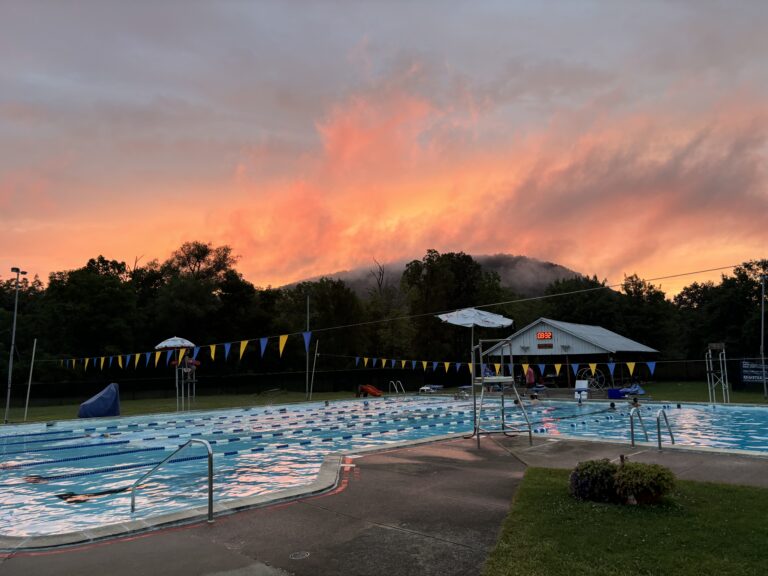
Penns Valley Community Rallies to Save Pool
The Penns Valley Penguins swim team has exceeded its $100,000 fundraising goal toward restoring the Millheim Pool, marking a significant milestone in an effort to bring swimming, summer memories and a longtime gathering place back to Penns Valley.


