

A Centre County judge last week denied George Ishler’s motion to suppress his confession to police about the murder of Penn State professor Ron Bettig last year.
Ishler claimed he was not properly given warnings about his Miranda rights and that he was coerced into making the confession.
He was charged along with Danelle Geier of conspiring to murder the 56-year-old Bettig, of Lemont, who was found dead on Aug. 17 at the bottom of a Potter Township quarry. Prosecutors allege that Ishler and Geier, believing they could profit from his death, lured Bettig on Aug. 12 to the quarry where Ishler pushed Bettig over a ledge. They reported him missing to State College Police on Aug. 15.
Ishler, 40, of Pennsylvania Furnace, is charged with first-degree murder, third-degree murder, aggravated assault, tampering with evidence and unsworn falsification to authorities. Geier faces the same charges.
Ishler agreed to be interviewed by State College police and Pennsylvania State Police the night of Aug. 18. Police asked Ishler if he would follow them to the state police barracks, but Ishler asked to ride with them because of a problem with his car.
When they arrived at the barracks, Ishler was read his Miranda rights and indicated he understood them, troopers testified. He did not sign a Miranda waiver. During the interview, Ishler was not handcuffed or restrained and the door was not locked or guarded.
Ishler’s initial statements, police said, did not match those already provided by Geier, who reportedly admitted she and Ishler planned together to kill Bettig by pushing him into the quarry. When presented with evidence received from Geier that contradicted his version, Ishler changed his story to fit the evidence, Judge Pamela Ruest wrote in the findings of fact.
Over the course of the interview Ishler had three smoke breaks during which he was permitted outside without being detained. During the third break, he reportedly told a detective that he wanted to see his ‘old lady’ one more time and then he would come clean. The detective told him it was unlikely but that he would check with his supervisor and that the best they could probably do would be to set up a controlled meeting.
When they went back inside, Ishler also told a state trooper that he would tell the truth but wanted to see his girlfriend one more time. The trooper said he couldn’t make that decision but that Ishler should tell the truth.
Ishler then reportedly gave a full statement implicating himself and Geier in Bettig’s murder. He did not ask to contact his girlfriend after making the statement, Ruest wrote.
He argued that prosecutors have failed to prove that he was properly apprised of his Miranda rights. Ruest wrote that the record shows Ishler was given all of his rights as required and a trooper testified Ishler understood them and did not invoke them.
Ishler also argued that police should have re-read his Miranda warnings after each of the breaks in the interview. Ruest, however, ruled that renewed warnings were not necessary. The breaks occurred just outside of where the original warnings were given, the officers remained the same, the subject matter didn’t change and the time between the Miranda warnings and Ishler’s recorded statement was less than four hours, Ruest wrote.
He claimed the confession was coerced because officers made promises they did not fulfill to convince him to make the statement. But Ruest wrote that ‘the totality of the circumstances demonstrates the decision to confess was voluntary.’
The interview was not lengthy, Ishler was given breaks, and he was not prevented from leaving, Ruest wrote. Officers didn’t threaten him, were friendly with him and did not deny him food, sleep or medication, Ruest added.
Police, meanwhile, told Ishler it was unlikely he would be able to see his girlfriend one more time. Though a detective said he would check with his supervisor, he testified that he did not promise anything.
Ruest previously denied Ishler’s motion to sever his case from Geier’s and to view the scene of Bettig’s death. On a motion requesting an investigator and various experts, Ruest granted $1,500 for an investigator but denied requests for other experts.
Earlier this month, a motion was granted to postpone trial from the June term to the August term.
More Local News
View all Local News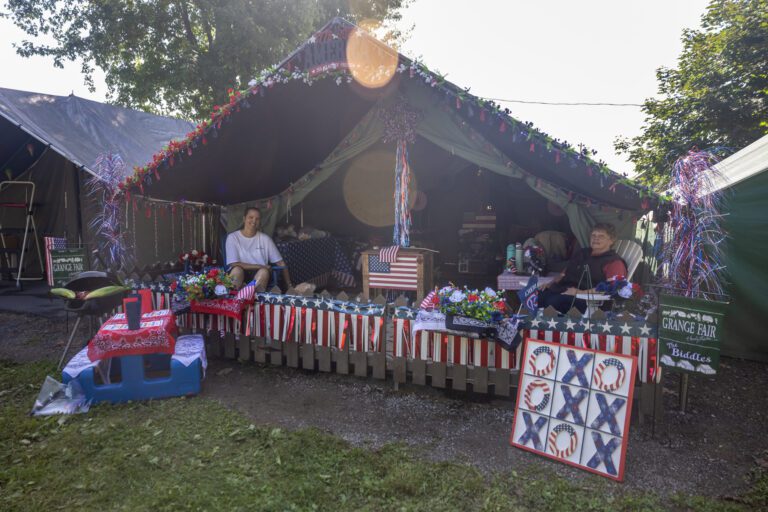
Only Encampment Fair in the U.S. Thrives on Family Traditions
Although the competition for campsites is intense, when it comes down to it, it’s the relationships and customs that fuel loyalty to the Grange Fair.
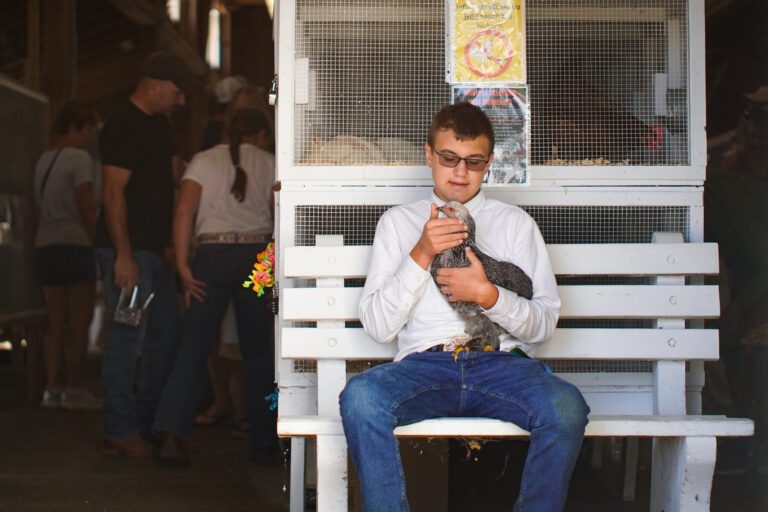
Youth Build Life Skills Through Livestock Showmanship
Little brown cowboy boots clomped around in the dirt as young competitors hurried around the barn preparing for Centre County Grange Fair’s 2026 Junior Poultry Show.
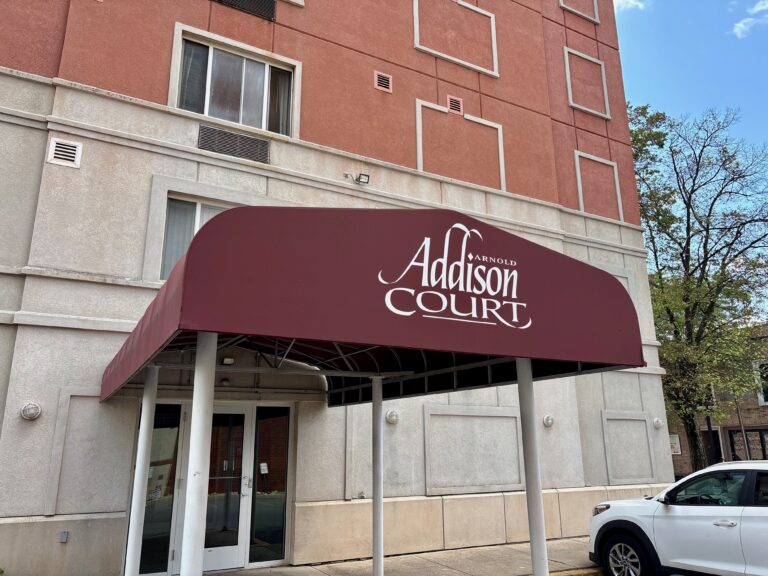
State College Reaches Tentative Deal to Buy Addison Court
State College Borough has reached a tentative agreement to acquire a downtown apartment building and ensure it is maintained as low-income housing for seniors and people with disabilities. Borough Council […]


