
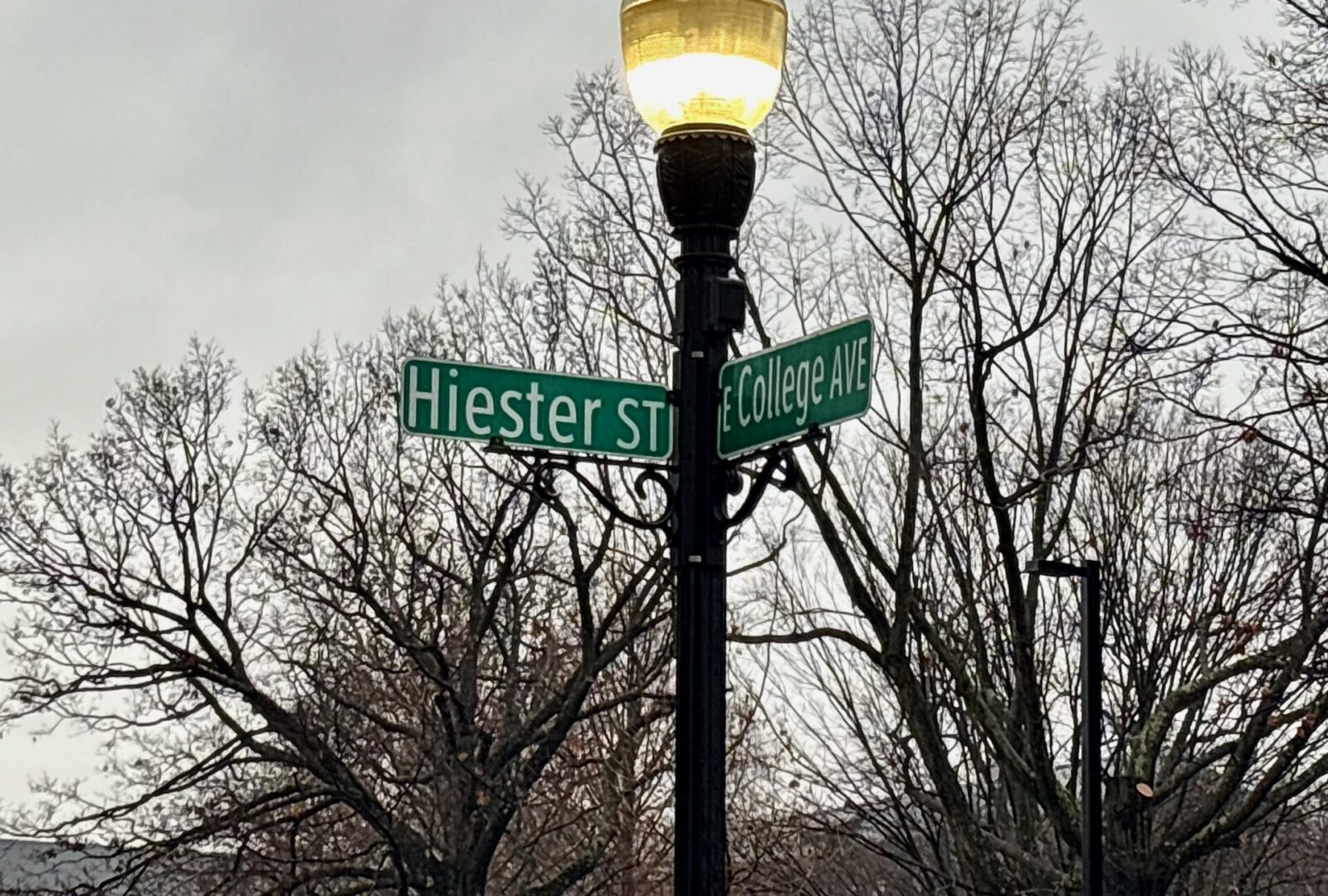
Three State College streets will be converted to one-way under a pilot program aimed at increasing on-street parking spaces and loading zones on the eastern side of downtown.
Borough Council on Monday approved a plan that will make the 100 blocks of Hiester Street, Sowers Street and Hetzel Street one-way during the sixth-month pilot beginning in August. Hiester Street will be one-way northbound (toward East College Avenue), Sowers Street would be one-way southbound (toward East Beaver Avenue) and Hetzel Street one-way northbound.
By eliminating one lane of traffic, the plan will result in 22 additional parking spaces and six loading zones.
It’s a change from the initial proposal presented to council in June, which would have also included making Locust Lane one-way southbound, creating two pairs of alternating one-way streets. But following a convoluted series of failed and withdrawn amendment, Locust Lane was ultimately removed from the plan.
Locust Lane would have added 11 more parking spaces but no additional loading zones.
Because Locust Lane south of Beaver Avenue is one-way northbound, making the 100 block one-way southbound “cuts off a critical bike route,” council member Matt Herndon said.
Herndon added that while he believed the one-way change would improve safety on the other three streets, he worried that would not be the case on Locust.
“It seems like the current plan for Locust will create issues with cyclists and drivers, both occasionally going the wrong way down the new one-way street, because Locust [on the other side of Beaver] is one-way in the opposite direction,” Herndon said. “I hope that staff can come up with a different, safer solution in the future.
Borough transportation engineer Ron Seybert previously said that the proposed one-way directions for the 100 blocks of Locust and Hiester could not be switched, because the Dumpsters at The Maxxen can only be accessed and loaded by garbage trucks traveling northbound.
Herndon alternatively suggested that Locust Lane remain in the pilot but that instead of vehicle parking the extra space be used for a contraflow bike lane.
“If we can make it fit, I don’t have a problem with it,” Seybert said. “But I don’t want to commit to saying that we can do it.”
Council President Evan Myers motioned to table the pilot program altogether until suggested changes to the pilot could be investigated, saying that four one-way streets was “an integrated plan,” and that business owners who generally were OK with the proposal had been surveyed about additional parking, not a bike lane.
“If you start cherrypicking one street … without thinking about what the plan is, then it could turn into a mess,” Myers said. “I realize it’s a pilot program. I agree that means we experiment, but the experiment isn’t even based on any learned approach… These guys have thought about it in an organized way, and that’s what they’ve come up with. If there’s a suggestion, and I’m not saying I disagree with what [Herndon] said, but I think we need to be careful. If there’s an objection, somebody should look into it rather than just saying, let’s do this. Let’s do that.”
Herndon noted that Locust remaining two ways while Hiester becomes one-way would have no impact on traffic flow, since drivers will still be able to travel south on Locust. Seybert also wrote in a memo included with Monday’s agenda that leaving Locust as a two-way street would be “viable.”
In the end, the pilot was amended to keep Locust Lane as a two-way street with a request for staff to study the feasibility of a bike lane.
At the conclusion of the six-month pilot, staff will present a report to council, which can then extend the pilot, make the changes permanent or revert the streets to two-ways.
More Local News
View all Local News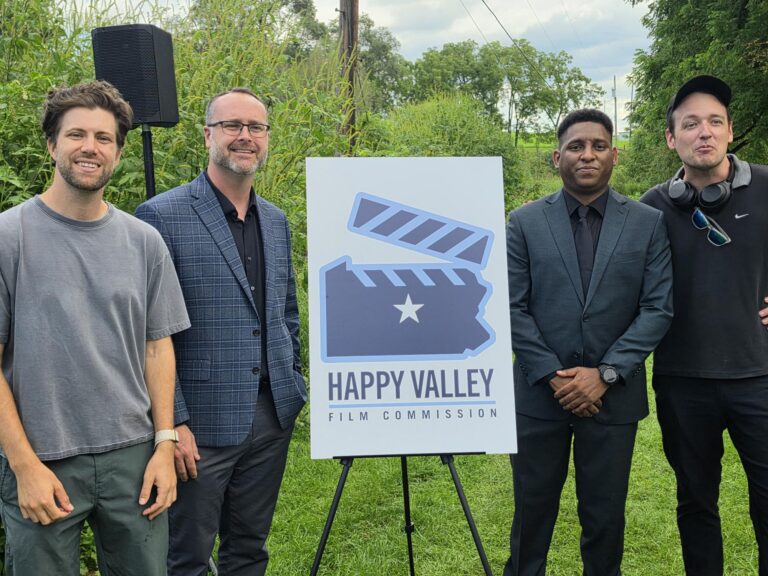
Happy Valley Film Commission Supports Growing Number of Productions in Centre County
Centre County is growing as a film destination, and on Tuesday the Happy Valley Adventure Bureau officially launched an initiative designed to attract and support productions in the area. The […]
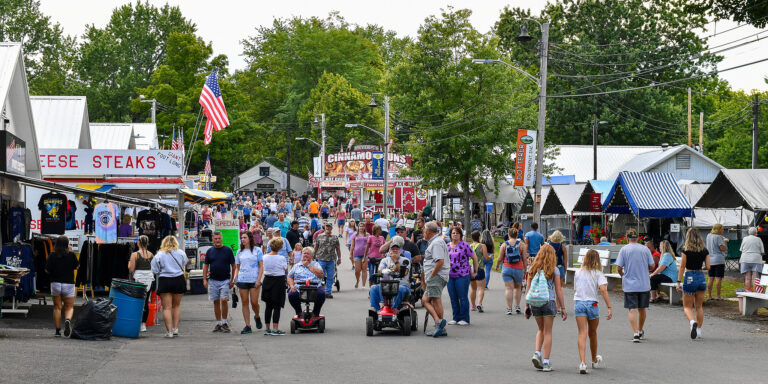
2026 Centre County Grange Fair Set to Get Underway
This article originally appeared in The Centre County Gazette’s Official Grange Fair Guide. CENTRE HALL — Summer’s grand finale is here. For more than 150 years, families have pitched their […]
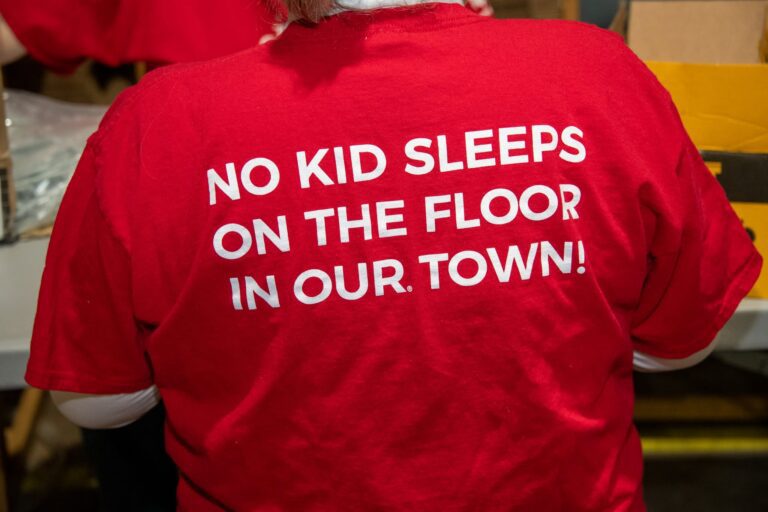
Nonprofit Organization’s ‘Bunks Across America’ Event in State College to Build Beds for Local Children in Need
Nonprofit organization Sleep in Heavenly Peace will bring volunteers together at Lowe’s Home Improvement in State College next month to build 50 beds for children in Centre, Clinton and Lycoming […]


