
Spotlight PA is an independent, nonpartisan and nonprofit newsroom producing investigative and public-service journalism that holds power to account and drives positive change in Pennsylvania. Sign up for our free newsletters.
HARRISBURG — Supplying drugs in fatal overdoses has led to hundreds of Pennsylvania prison sentences, while grieving families remain divided over whether these prosecutions do more harm than good.
Those are among the findings of recent Spotlight PA investigations into the state’s criminal charge of drug delivery resulting in death, a felony punishable by up to 40 years in prison. It is used for cases when someone illegally provides drugs that cause someone to die — it includes both selling and giving. The statute is broad and doesn’t distinguish between defendants who are kingpins, street-level dealers or fellow users.
Pennsylvania is known as one of the top states, if not the leader, in bringing this type of criminal charge. Some families of victims push for these prosecutions, while others object to this approach.
Here are five things to know about the issue and Spotlight PA’s findings.
Punishments under the law have increased in Pa.
Pennsylvania saw a dramatic increase in these charges, after a change in state law and the rise of the opioid epidemic.
In 2011, state lawmakers paved the way for the use of the charge when they effectively removed a requirement for there to be a finding of malice for drug delivery resulting in death cases. Some prosecutors embraced the charge as the opioid epidemic spread in Pennsylvania, with more than 5,000 people dying from overdoses some years.
Data from the Pennsylvania Commission on Sentencing show punishments under the charge used to be rare. The commission’s data are based on reports from common pleas courts in Pennsylvania, and an official told Spotlight PA that historically, the agency receives data on about 95% to 98% of all cases.
From 2007 through 2011, the commission’s data show not a single person was convicted and sentenced on the charge.
But such punishments reached a recent annual high of around 100 in 2019.
While many defendants in these drug delivery resulting in death cases do not receive the maximum sentence of up to 40 years in prison, attorneys say the threat of such a lengthy time can pressure them into accepting guilty pleas.
Tracking these types of cases nationally is a challenge. But researchers at the Action Lab at Northeastern University found more drug-induced homicide cases in Pennsylvania than in any other state, based on media mentions.
State leaders have embraced the charge, at least in some cases.
Gov. Josh Shapiro, a Democrat, previously served as Pennsylvania’s attorney general. In his memoir, which was released earlier this year, he talked about his approach to drug prosecutions.
He said the attorney general’s office under his leadership charged “higher level dealers with tougher crimes” including trying “to put them away for twenty to forty years” if “the drugs they sold resulted in someone dying.” But Shapiro also said the office tried to send people to treatment instead of prison if they were “non-violent dealers who were basically just users trying to feed their addiction.”
The current attorney general, Republican Dave Sunday, previously said that when he was the York County district attorney, the office was “extremely cautious in charging it,” but that it can be “appropriate, because there has to be accountability.”
Local district attorneys have also supported the charge. Kelly Callihan, executive director of the Pennsylvania District Attorneys Association, told Spotlight PA “it is about justice” and “sending the message to drug dealers that what you’re selling is dangerous, is poisonous. It can cause death.”
One family’s story highlights the complicated reality of these cases.
Prosecution rates vary widely between counties here. And compared to the total number of overdose deaths, charges and convictions remain relatively rare. What happens after a death can come down to how local law enforcement decides to approach these cases and the resources they have to investigate.
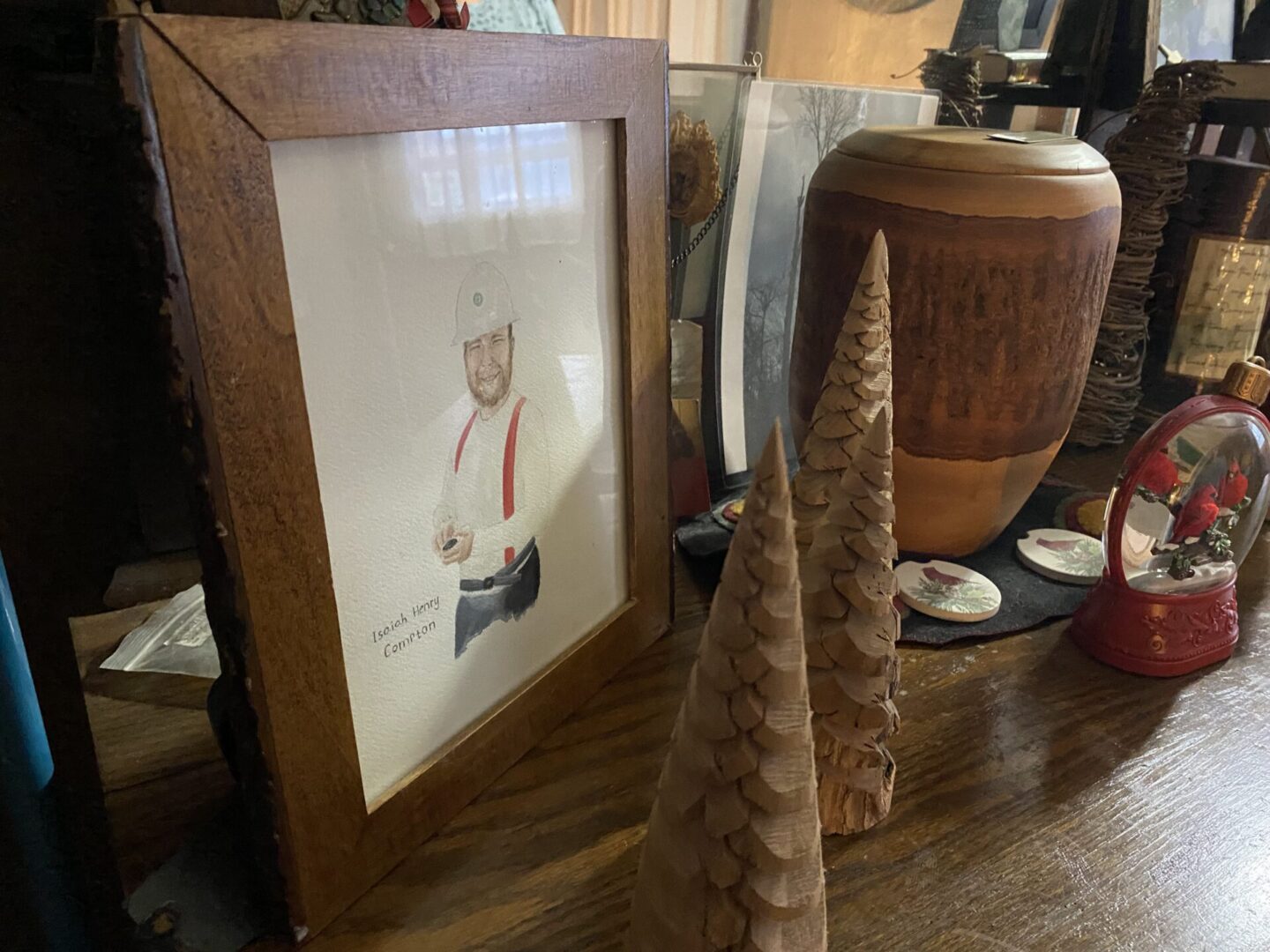
Spotlight PA’s recent investigations focused on the advocacy of Cyndi Compton, whose son Isaiah died in 2020 after an overdose in Tioga County. He was 24.
Cyndi became known as a relentless advocate in her community.
Less than two months after Isaiah’s death, she wrote a letter to the editor in a local paper, describing the number of overdose deaths in the county and her own research into the drug delivery resulting in death law. She questioned why local officials weren’t using the charge against drug dealers.
She said she searched for evidence — Facebook messages, an ATM receipt — in her son’s case and shared it with investigators. She started a Facebook group dedicated to stopping overdoses in Tioga County. She posted signs in the area declaring it was time to hold drug dealers accountable and that every overdose death warrants a criminal investigation. She eventually urged people to vote out the Tioga County district attorney at the time, and collected signatures for the district attorney’s opponent.
An investigation into Isaiah’s death eventually led to a prosecution and conviction — although by the time those charges were filed, drug delivery resulting in death was off the table.
A two-year statute of limitations had expired.
Some Pa. lawmakers want to give prosecutors more time to bring these charges.
Cyndi’s work led to legislation in Harrisburg named after Isaiah.
The bill would eliminate the statute of limitations when someone dies from an overdose, treating those cases like crimes such as murder and voluntary manslaughter.
The legislation from state Rep. Clint Owlett (R., Tioga) would reduce other potential barriers to prosecutions, including when there are multiple drugs involved. But it would also create a defense for people who don’t “receive any service or anything of value in exchange” — a measure intended to distinguish friends who share drugs from dealers.
Two other bills would extend the statute of limitations to five years, giving authorities more time to begin these prosecutions. Five years is also the limit for a number of other drug offenses, including possession with intent to deliver heroin or fentanyl.
State Rep. Dane Watro (R., Luzerne), a lawmaker pushing for the extension, said it would address a “legislative oversight.” Citing district attorneys and their statewide association, he said the current time limit “has hampered the prosecution of various serious cases.”
All three bills were awaiting action in state legislative committees as of early July. They had not been brought up for a vote.
State Rep. Emily Kinkead (D., Allegheny) has previously raised concerns about the state’s drug delivery resulting in death law and backed legislation to limit its use. She told Spotlight PA that unless lawmakers narrow the scope of the law to target dealers, suppliers and traffickers, “extending or eliminating the statute of limitations is irresponsible and dangerous.”
Some families, advocates have criticized these charges
While some families push for these types of charges, others have tried to stop or limit them in Pennsylvania and nationally. Some families, defense attorneys and public health advocates have objected to the reach of these prosecutions.
Critics say these prosecutions often target family, friends or partners who may suffer from addiction themselves instead of large-scale dealers. They argue that these charges can discourage people from calling for help if someone overdoses, and that they also can take resources away from effective prevention efforts.
In a letter last year, family members who lost loved ones to substance-related deaths described their concerns when it comes to harsher penalties and criminalization.
“Prosecuting drug-induced homicide cases does not deter supply—it pushes the drug market further underground, making substances even more unpredictable and deadly,” they said. “These policies do not protect our children; they trap more families in the same suffering we have endured.”
This investigation was supported with funding from the Data-Driven Reporting Project. The Data-Driven Reporting Project is funded by Arnold Ventures and the Google News Initiative in partnership with Northwestern University | Medill.
BEFORE YOU GO… If you learned something from this article, pay it forward and contribute to Spotlight PA at spotlightpa.org/donate. Spotlight PA is funded by foundations and readers like you who are committed to accountability journalism that gets results.
More Police and Crime News
View all Police and Crime News
Man Charged With Selling Cocaine in State College Area
A State College man is facing 18 felony charges after investigators said he sold large amounts of cocaine to a confidential informant on multiple occasions. James T. Turner, 40, was […]
Accused Ringleader in Centre County Child Sex Abuse and Trafficking Case Pleads Guilty
Updated 2:58 p.m. Oct. 5, 2026. The man who prosecutors say was the ringleader in a Centre County child sex abuse and human trafficking case will be sentenced to decades […]

As Shapiro Pumps Money Into Downballot Democrats, Republicans Lean on Jeff Yass
The governor has put $5.6M into Democratic coffers for downballot races. It’s normal practice, but insiders say the scale is striking.


