
Geisinger researchers have developed a simple scoring system (DiaRem), based on four readily available preoperative patient characteristics, that can predict which candidates for gastric bypass surgery are likely to achieve Type 2 diabetes remission within 5 years.
A predictive model is likely to help patients and clinicians better manage the disease and could even save lives.
More than 20 million Americans have Type 2 diabetes; most are overweight or obese. Diabetics face increased risks for heart disease and strokes, and poorly controlled diabetes can damage the eyes, kidneys and blood vessels.
Nationwide, about 160,000 people undergo various types of obesity surgery each year. RYGB surgery, the type studied, involves stapling the stomach to create a small pouch and attaching it to the lower intestine.
“Our novel DiaRem score will give patients and physicians a scientifically valid way of assessing the merits of gastric bypass surgery for treating diabetes and deciding whether additional measures should be taken to improve the odds of remission”, explains lead author George Argyropoulos, from Geisinger’s Sigfried and Janet Weis Center for Research in The Lancet Diabetes and Endocrinology.
Roux-en-Y gastric bypass (RYGB) is used to help people who are morbidly obese lose weight. As a side effect, it has been shown to resolve or improve type 2 diabetes in roughly 60 percent of patients. It may also be useful to treat diabetes in people who are not morbidly obese. But, currently there is no accurate method to determine which patients have the greatest likelihood of remission after surgery.
To create the scoring system, researchers from the Weis Center for Research, the Center for Health Research, the Center for Nutrition and Weight Management, and the Department of Surgery combed through Geisinger’s advanced Electronic Health Record to retrospectively analyze the outcomes of 690 obese patients with type 2 diabetes who underwent RYGB between 2004 and 2011 at Geisinger. Of these patients, 463 (63%) achieved partial or complete type 2 remission of type 2 diabetes.
The researchers found that obesity surgery success in reducing/reversing type 2 diabetes could be effectively predicted based on four standard clinical measures — insulin use, age, haemoglobin A1c concentration (HbA1c; a measure of blood sugar), and type of anti-diabetic drugs. DiaRem scores were derived by assigning a certain number of points to each of the four factors.
“The DiaRem score will help guide patients and their clinicians in their selection of appropriate treatment and management of type 2 diabetes,” noted Dr. Christopher D. Still, director of Geisinger’s Obesity Institute.
Aside from the personal health toll, there’s also a financial cost. For instance, obesity surgery costs about $40,000 in Pennsylvania, depending on the negotiated rate with the person’s health plan. (These costs are not what the patient pays, but the average costs for the provider.)
The researchers believe that further prospective studies will help identify additional uses for the scoring process.
More Centre County Gazette
View all Centre County Gazette
ShelterFest Returns to Support Out of the Cold’s Mission
Out of the Cold is inviting the community to ShelterFest 2026, a four-day celebration of live music, local food and community support that helps ensure some of Centre County's most vulnerable residents have a safe place to sleep.
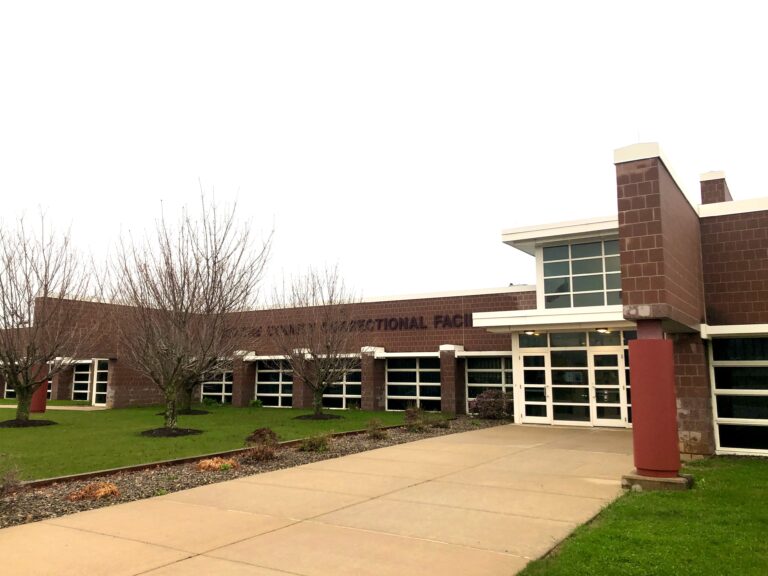
Centre County Jail Population Falls to Lowest Level Since 2005
The inmate population at the Centre County Correctional Facility has fallen to its lowest level since the current jail opened in 2005, a trend officials attribute to expanded diversion programs, re-entry efforts and changes in probation laws.

A Promise Kept: The Hope Fund Celebrates 5th Annual ‘A Toast to T.J.’ Event
What began as a community rallying around a young husband and father battling a rare form of cancer has grown into The Hope Fund, a volunteer nonprofit that has quietly helped more than 300 Penns Valley families facing medical emergencies…


