

A growing number of U.S. citizens are heading into their retirement years.
The Baby Boom Generation (those born between 1946 and 1964 per the U.S. Census Bureau) are now between ages 49 and 67 and are now looking toward retirement or have already retired.
Seventy-six million American children were born during the Baby Boom and they now control over 80% of personal financial assets and are responsible for more than half of consumer spending.
In previous generations, many retirees had the advantage of Defined Benefit Pensions from their employers, due to their years of service. Many reaped the benefit of a monthly pension income and some received employer health benefits as well.
With the move away from pensions in favor of 401(k)s and employee directed benefits, the risk and responsibility for retirement income is squarely on the shoulders of the individual employee and his or her family. This means it is more important than ever for future retirees to understand and make the right decisions for retirement. With this in mind, here are ten common mistakes people make while planning for retirement and how to avoid them.
1) Not Planning for Retirement — It is essential to calculate your retirement needs and plan accordingly, but most people don’t. A majority of individuals are not saving enough for their retirement. Twenty-five percent of Baby Boomers have no retirement savings at all and one out of every six elderly Americans lives below the federal poverty line. Running a retirement calculator yourself, or working through one with an advisor, can help you plan and ease your mind about how to proceed with retirement. Going forward on auto-pilot might not get you where you want to be in your golden years, so plan your course as early as possible.
2) Not Taking Advantage of an Employer Match — Many 401(k) plans, Simple IRAs and 403(b)s have the benefit of an employer match. If one is available, find out what it is then make sure you invest enough to get the match. Your employer is giving you a huge benefit in adding a tax-free retirement benefit that will grow for you tax-free. Not taking advantage of it? One word: stupid.
3) Not Taking Inflation into Account — The long-term rate of inflation over the last 50 years is 4%. This means that something that costs you $1 today will cost you $2 in 20 years. Since the average time spent in retirement is 21 years, you have to plan on being able to spend twice as much as you did when you started retirement to afford the same things, especially healthcare, which grows at a much higher inflation rate. Therefore, you may be able to withdraw sufficient cash now from your retirement assets but will that be true in ten, fifteen or twenty years? This is where a good retirement calculator or withdrawal calculator comes in handy (see No. 1).
4) Not Anticipating Living Long Enough — As stated above, the average time in retirement is 21 years. What if you are above average? When running a retirement calculator or planning retirement, remember that people are living longer and plan accordingly. Twenty-eight percent of 65 year-olds make it to age 90; that’s 25 years of living on your saved assets, social security and any other income available (pensions, rental income, etc). You definitely don’t want your money to run out before you do.
5) Taking Social Security Too Early — The earliest social security eligibility is at age 62, full retirement is going toward 67 years of age and waiting until age 70 maximizes benefits. The difference between taking social security at 62 to your full retirement age? You gain 25%. If you wait until age 70, you gain another 8% a year. On top of this, cost of living increases (COLI) will add up to more on the higher benefits; overall, you are better off waiting and working longer if at all possible.
6) Investing Too Conservatively — See numbers three and four above. You can’t beat inflation investing in Certificates of Deposit (CDs); never have, never will. Equities (stocks) have traditionally yielded higher returns than the rate of inflation. Enough said.
7) Betting on Bonds— The past thirty years have seen a gradual decrease in interest rates, with current rates near historical lows. This has been a boon for bonds and bond funds. The problem is that the future may hold gradually increasing interest rates, which will have a negative effect on bond returns.
8) Not taking Health Care into Account — The cost of health care runs at twice the current inflation rate and is a large concern for retiring seniors. Fidelity recently calculated that future medical costs in retirement will add up to $240,000. Long-Term Care (LTC) is also a major concern, so planning for these expenses is vital. Also, look into LTC policies that can assist with these costs earlier rather than later. The American Association for Long-Term Care Insurance suggests mid-50s as the optimal age to apply for LTC.
9) Withdrawing too Much Money Annually, Especially Early in Retirement — The percentage withdrawal amount from retirement savings suggested by many advisors is 4%. Most retirees plan to withdraw 10% of their retirement savings a year. Four percent withdrawals permit the assets to still increase or remain stable, and keep pace with inflation. Depending on your longevity, a ten percent annual withdrawal could mean that your money runs out before you die.
10) Not putting anything away for retirement — The most important thing you can do for retirement is to save for it. If you ignore all the advice above, heed this one plea: Save something, anything, every month for retirement. Put as little as $50 a month into an IRA or Roth IRA by setting up automatic investments from your bank account if an employer retirement plan is unavailable.
More Columns
View all Columns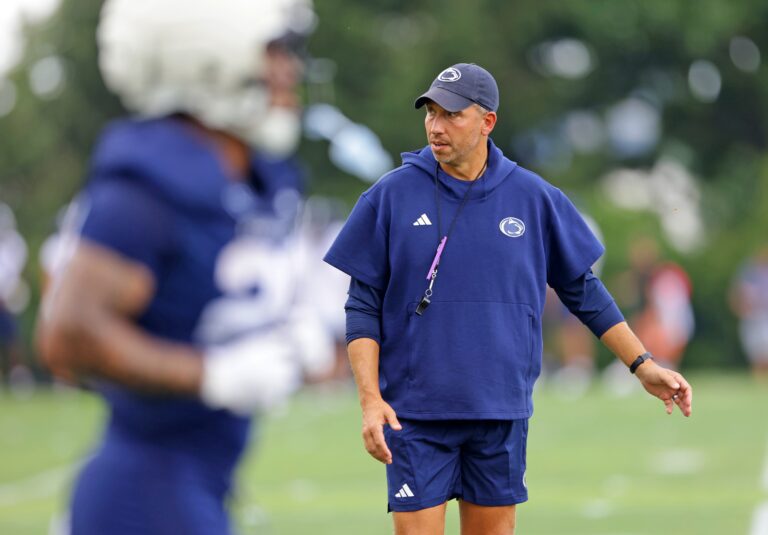
How Does Penn State’s Matt Campbell Do in Head Coaching Debuts and Season Openers?
Matt Campbell and the Nittany Lions open their 2026 season Saturday afternoon in Beaver Stadium against Marshall. It’s Campbell’s first game as Penn State’s head coach, and even though he’s […]

New International Students Adjust to Happy Valley With Hearts Still Connected to Home
Each August for the last 10 years, I’ve written a column about Penn State’s newly-arrived international students. Why that emphasis, you ask? Well, to put it bluntly, our campus and […]

Paterno: A New Season, 60 Years Later
In just over a week, Penn State will take the football field with a new head football coach when Matt Campbell starts his first season on the Nittany Lion sideline. […]


