

Last week, state Rep. Mike Hanna (D-Lock Haven) announced that two watershed protection projects in Centre County have been awarded grants totaling more than $540,000.
The funds come from the Growing Greener Environmental Stewardship Fund through the state’s Department of Environmental Protection, which awarded more than $23.2 million in grant money to 109 watershed protection projects throughout the commonwealth during the past year.
“The grants will help protect and maintain the region’s tremendous water resources,” Hanna said in a press release. “Water gives life to communities and cannot be overvalued.”
The Centre County Conservation District will receive $500,732 to implement agriculture best management practices at four area farms — one in Ferguson Township and three in Halfmoon Township.
“Everything we’re doing here is to eliminate and reduce runoff manure,” says agricultural conservation technician John Wataha. To do this, storage for liquid manure will be created.
Each of the farms currently drains to Spruce Creek. On the banks of the creek, stream bank fencing and stream crossings at each farm will be installed, says Wataha. Establishing a buffer will limit livestock access to the banks and successfully keep nutrient sediment from being exposed to the creek.
A roof will also be installed over heavy animal use areas to further contain runoff. In addition, native trees and shrubs will be planted along the banks of the farms to help cool the stream water.
To complete these projects, CCCD has partnered with Clearwater Conservancy and the National Resources Conservation Service. Each agency, as well as the land owners, have contributed a match for the grant. Match funds for the project are $326,155.
The Penns Valley Conservation Association will also receive a grant for $42,860 for education and community outreach concerning Upper Penns Creek.
PVCA has had an environmental educator in the Penns Valley Area School District since 1993, according to executive director Andrea Ferich. That educator has also helped with community education.
“As people are exposed to more and more of the resources, whether it’s the forests or the healthy soil and the farmland,” Ferich says, “they’re more likely to protect it and live in such a way that really allows for future generations to have the opportunities that we’ve had.”
This will be done by taking school-aged youth and community members on field trips to discuss these issues, Ferich says.
“We’re really using the opportunity to make a stronger connection with the youth population and what they can do to make a difference with the water quality, improving the productivity of the farms and also thinking creatively and critically about the local economy and how we can also create jobs that are good for the environment,” she says.
The education and community outreach funded by the grant is part of a stream restoration project, which has included the planting of 7,000 trees last year to cool water temperatures.
“Water temperature really impacts the capacity for thriving trout communities in our waterways,” Ferich says. “If the water temperature goes over a certain degree, then it is really difficult to have the fishing culture.”
More Centre County Gazette
View all Centre County Gazette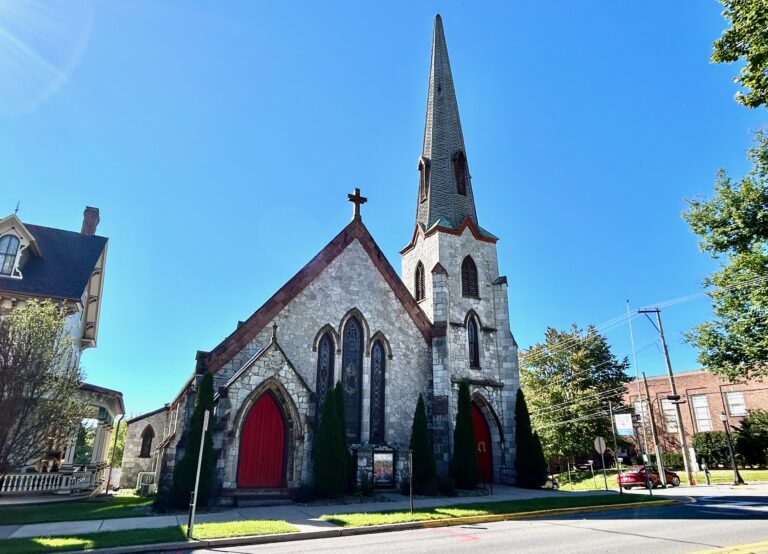
Partners for Sacred Places Supports Preservation of St. John’s Episcopal Church
St. John’s is among the rural Pennsylvania churches receiving support through a program aimed at helping congregations plan for the long-term use and sustainability of their historic buildings.
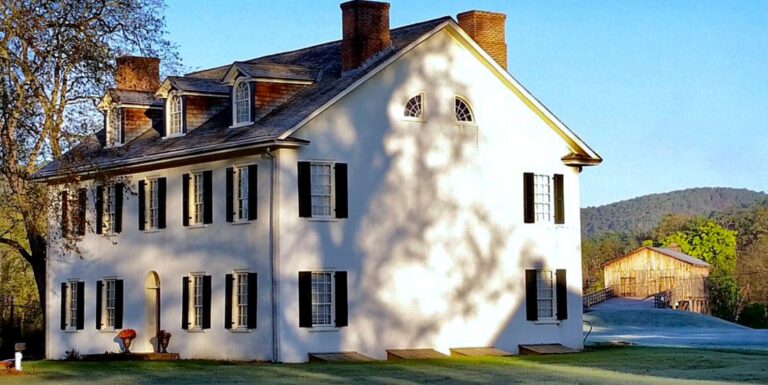
Curtin Village Set to Host Final Tour of 2026
Visitors are invited to journey into Pennsylvania’s ironmaking past on Sunday during the 2026 season’s final guided tour of Eagle Iron Works and Curtin Village
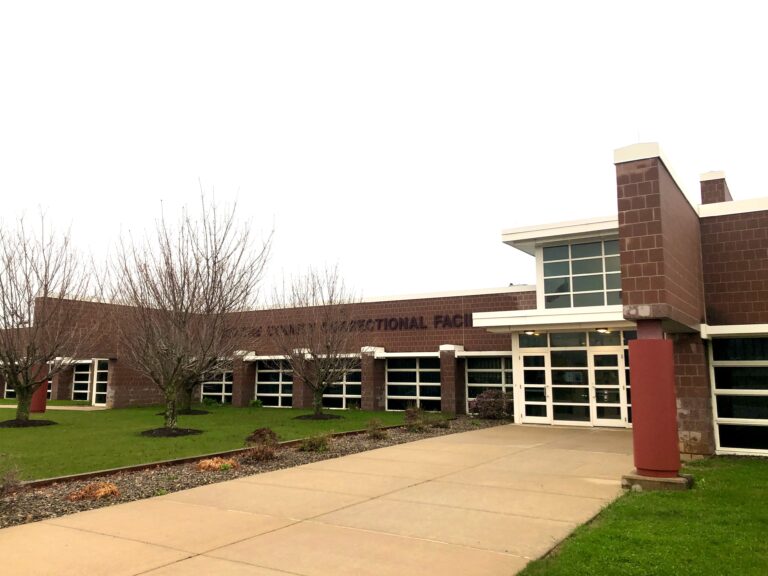
Centre County Prison Board Hears Renewed Call for Outdoor Recreation
A Centre County resident renewed calls for outdoor recreation at the Centre County Correctional Facility at the September Prison Board meeting, prompting a sometimes tense discussion between the resident, commissioners and prison officials.


