
Spotlight PA is an independent, nonpartisan and nonprofit newsroom producing investigative and public-service journalism that holds power to account and drives positive change in Pennsylvania. Sign up for our free newsletters.
HARRISBURG — Finding ways to lower energy costs has become a key issue in the race for Pennsylvania governor, as rising utility bills squeeze many residents.
Both Democratic Gov. Josh Shapiro and his Republican challenger, state Treasurer Stacy Garrity, agree Pennsylvania needs more energy generation to address a long-term supply and demand imbalance that has been exacerbated by data center development.
>>READ MORE: Where governor candidates Garrity and Shapiro stand on data centers
In recent years, electricity prices have skyrocketed at energy auctions held by Pennsylvania’s grid operator, PJM. The company predicts demand will only increase in the coming years.
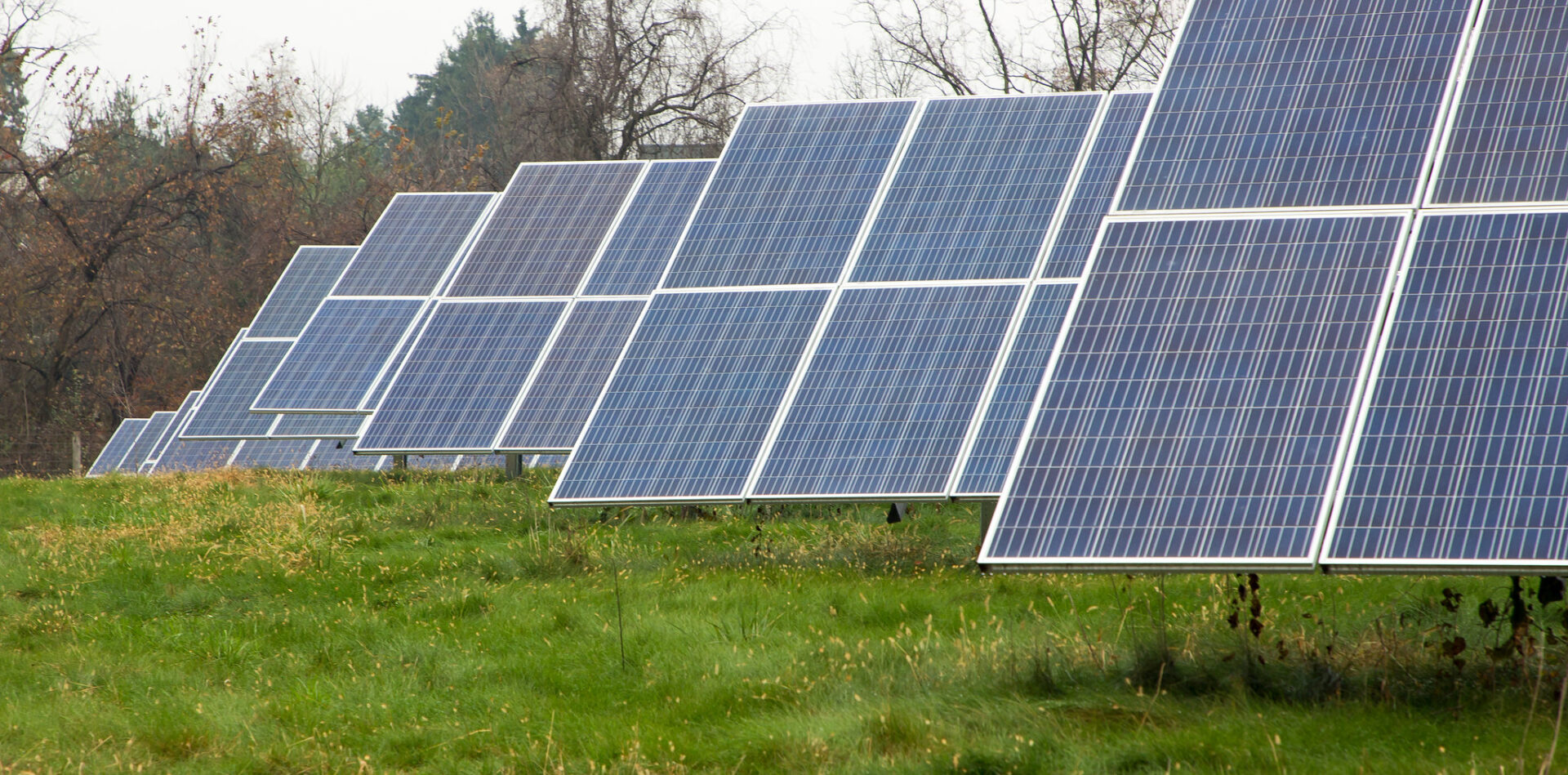
Garrity and Shapiro primarily diverge on what kind of energy they want the state to produce: Shapiro supports an “all of the above” approach that includes clean energy like solar and wind alongside oil and gas, while Garrity wants to dramatically increase natural gas production.
Both also want to quickly lower costs. Shapiro has taken an aggressive stance toward curbing utility profits, warning company leaders that he will publicly oppose their requests to increase customers’ rates unless they take steps to lower energy bills. Garrity supports a massive tax cut that would lower residents’ utility bills immediately, but cost the state more than a billion dollars in annual revenue. (Shapiro has not taken a public stance on such a move.)
Pennsylvania’s governor shapes environmental and energy policy not only by proposing, signing or vetoing legislation, but through executive orders. Former governors have used the latter to enter the commonwealth into a carbon cap-and-trade program, and to block new oil and gas wells in state parks and new leases in state forests.
Energy is a major industry in the state. As one of the country’s biggest energy producers, the Pennsylvania industry creates thousands of jobs. This also makes Pennsylvania one of the top emitters of carbon dioxide, which fuels climate change.
Here’s where the candidates stand on the issues:
Environment and energy
Garrity and Shapiro both want to increase the state’s energy output, but differ on which types to prioritize. Those different priorities align with each candidate’s outlook on mitigating the impacts of climate change and preserving the environment.
Shapiro has proposed several initiatives during his first term to incentivize clean energy production in Pennsylvania and reduce carbon emissions, though few have made it through the legislative process.
His most comprehensive proposal, called the “Lightning Plan,” aims to increase energy production and jobs, and lower prices for utilities. Only lawmakers in the Democratic-controlled state House have passed portions of his plan; none of the proposals have moved in the GOP-led state Senate.
The plan would rewrite a tax credit program to benefit clean energy producers, create a new board specifically for permitting energy projects and require electric companies to buy more renewables.
One piece of the plan is a Pennsylvania-specific carbon cap-and-trade program that would require power producers to pay to emit carbon dioxide. Most of the money recouped would be used to give Pennsylvanians rebates on their electric bills.
This is Shapiro’s pitch to replace the Regional Greenhouse Gas Initiative, an interstate cap-and-trade program that the state joined under then-Gov. Tom Wolf. However, Republican lawmakers sued and prevented Pennsylvania from fully participating in the program.
Shapiro said he wasn’t sold on RGGI during his first campaign, and emails obtained by Spotlight PA showed his administration sought alternatives to it since the beginning of his term. As a lawsuit that would have determined whether the state could stay in RGGI played out, Shapiro agreed to pull out of the program as part of last year’s budget deal that resolved a monthslong impasse.
Shapiro has signed off on clean energy legislation passed alongside other budget agreements, including $25 million for a program to build solar panels on schools. His administration also announced in July that it will develop new rules to detect and track methane emissions. Oil and gas infrastructure such as well sites and pipelines are known sources of the gas.
Still, environmental advocates have accused him of being obsequious to the fossil fuel industry, pointing to, for example, an April court request to allow two coal-fired power plants to continue operating. They also criticized his decision to partner with fracking company CNX to self-monitor and report air quality at several of its well sites.
His administration’s work to speed up permitting has won him praise and criticism. Shapiro signed an executive order in 2024 that created the Fast Track Program, which aims to speed up permitting for certain economic development projects. Fast Track has since been used to shepherd major projects that Shapiro has lauded, like data centers owned by Amazon Web Services and a drug manufacturing facility backed by Eli Lilly.
While developers have lauded the rate at which projects have been ushered through the state’s permitting process, advocacy groups argue that speeding through air and water permits could negatively impact the environment and local communities.
As a result of faster permitting, projects like a proposed 3,200-acre gas-fired power plant in Indiana County to serve on-site data centers have been able to begin construction more quickly, despite concerns from community members about the impact to energy and water availability, and pollution.
As treasurer, Garrity manages the state’s savings, roughly $55 billion, which can include investing or divesting from securities. In the past, she’s divested from Chinese– and Russian-associated securities and invested additional state funds into Israel-backed bonds.
In 2021, Garrity signed onto a letter with other Republican treasurers that threatened to pull states’ savings from national banks that refused to lend to fossil-fuel-based industries. She later signed onto a letter that criticized environmental, social and governance practices when it comes to investment strategy.
As a candidate for governor, Garrity has not focused on environmental protection or climate change, but rather on how she would increase energy production.
In a speech to the Marcellus Shale Coalition, an industry group for natural gas drillers from the Marcellus and Utica shale formations that span Pennsylvania and neighboring states, Garrity said she would sign an executive order to lift a ban on new drilling sites on “day one” of her administration.
Matt Beynon, a spokesperson for the Garrity campaign, confirmed she was referring to a moratorium on drilling in state parks and new leases in state forests that was first put in place by Gov. Tom Corbett, lifted by Gov. Ed Rendell, reinstated by Gov. Tom Wolf, and maintained under Shapiro.
Garrity also said she would call a special session of the legislature that focuses on energy to “fast-track permits for natural gas production, pipelines and power plants.” She added that she would eliminate “duplicative and outdated” regulations, set timelines for approval and “reform or potentially eliminate renewable energy and efficiency mandates.”
Beynon did not directly respond to questions regarding how Garrity’s approach to permitting would be different from that of Shapiro’s but said attempts at permitting reform under his term are not complete, and Garrity would finish the job.
The Republican said she views increasing energy production as a way to grow the state’s revenue and solve the recurring structural deficit in the budget. “The only way to fix the structural deficit is to really do more around our energy, which makes perfect sense. I mean, we have the cleanest natural gas in the world,” Garrity told Spotlight PA.
Garrity has also criticized the speed of the state’s permitting process, particularly under the Department of Environmental Protection, saying she hopes to change that under her administration.
As far as environmental positions, Garrity has remained mostly silent. A spokesperson for her campaign told Spotlight PA that Garrity believes in climate change and “humans have played a role in it.” He added that Garrity “values the beauty of our community and all the incredible natural resources we have been blessed with,” saying those stances are why she has called to limit data center developments to brownfields and industrial sites.
She opposed RGGI, calling it an “unconstitutional tax that Pennsylvanians should never be forced to pay.”
Garrity has financial ties to the fracking industry. She’s reported earning income from Chesapeake Energy, an oil and gas company that has since merged with another corporation to become natural gas producer Expand Energy, and Equinor, a Norwegian oil refinery company, as far back as 2020.
Capital and Main reported that Garrity has made at least $15,600 from both Chesapeake and Equinor by leasing the mineral rights beneath one of her properties since she was elected.
Though she doesn’t list how much income she has earned from the company, state law dictates that lawmakers and their staff disclose any direct or indirect source of income totaling more than $1,300 each year.
Utilities and rising electricity bills
With rising electricity bills, both Democrats and Republicans have targeted the state’s grid operator as a cause of increasing prices.
PJM manages the distribution and wholesale energy market for 13 states and Washington, D.C. In recent years, the energy auctions that PJM manages have skyrocketed in price.
Shapiro has targeted PJM as governor, filing a complaint against the operator with federal regulators over its slow process of connecting new power sources to the grid, which Shapiro alleges caused price increases.
As a result, Shapiro worked with the operator to negotiate a cap on auction prices, which his administration says has saved consumers billions on their electricity bills.
Shapiro has also placed the blame for rising energy costs on the profits that electric and natural gas utilities earn for their investors.
In his February budget address, Shapiro said utility companies had “increased the cost for consumers with too little public accountability or transparency” and announced he would hire a special counsel for energy affordability to scrutinize rate requests.
After PECO, the largest electricity company in Pennsylvania, proposed a dramatic rate hike, Shapiro called the request “pure greed.” In an unprecedented move, PECO later withdrew the request from being considered by the state Public Utility Commission, and the company’s CEO stepped down.
Shapiro went further in a letter to utility leaders in April. Unless the companies took specific steps to cap their profits, Shapiro warned, he would “vocally and forcefully” oppose their requests for rate increases.
The governor’s office has no formal role in determining the rates that utilities can charge their customers. The Public Utility Commission, which considers rate increase requests, is an independent agency.
Consumer advocates welcomed Shapiro’s more aggressive stance. However, the credit ratings firm Moody’s called the governor’s letter “a break with regulatory norms,” warning that it represented “a material escalation of political involvement in the utility rate-setting process.”
Legislation that would implement some of the steps Shapiro outlined in his letter, including tying utility profits to a formula, passed the state House, but has not advanced in the Senate. Opponents, including two of the five PUC commissioners, said the legislation would ultimately increase costs for ratepayers by driving up utilities’ borrowing costs.
Garrity has also made rising energy bills a focus of her campaign.
In an interview with NBC10, she said she would intervene in a utility’s request to increase rates if she disagreed with the proposal.
Garrity also supports eliminating a 5.9% state tax on the sale of electricity, which utilities pass on to customers. Scrapping the tax would save the average household $143 per year, according to the Independent Fiscal Office. (A spokesperson for Shapiro did not answer a question about his stance on the proposal.)
Both chambers of the state legislature recently voted in favor of separate proposals to eliminate the tax, but the measure was not included in the final budget deal.
Lawmakers did not specify how they would offset the revenue shortfall created by such a tax cut, which would cost the commonwealth an estimated $1.7 billion in the current fiscal year.
In a statement, Garrity said she would pay for the tax cut by expanding natural gas production.
She also said she would require utility bills to follow a standard format that would make comparison of rates easier, and direct the PUC to create a public dashboard tracking rates and utility performance.
Spotlight PA’s Jaxon White contributed reporting.
BEFORE YOU GO… If you learned something from this article, pay it forward and contribute to Spotlight PA at spotlightpa.org/donate. Spotlight PA is funded by foundations and readers like you who are committed to accountability journalism that gets results.
More Political News
View all Political News
Great PA News Quiz: Moshannon Vote, DOJ Deal and Golf Tournaments Come to Pa.
In this quiz: county commissioners vote to extend an immigration facility contract, midterms stakes, and Pennsylvania-bred apples.
The 2026 Races That Could Decide Control of the Pennsylvania House and Senate
Democrats believe they have their best shot in recent memory at winning a vaunted trifecta — control of the governorship and both legislative chambers.
Shapiro Admin Rules for Medicaid Recipients Spark Lawsuit From People With Disabilities
Four Pennsylvanians with intellectual and developmental disabilities filed a class action lawsuit challenging the new relative caregiver and travel rules.


