
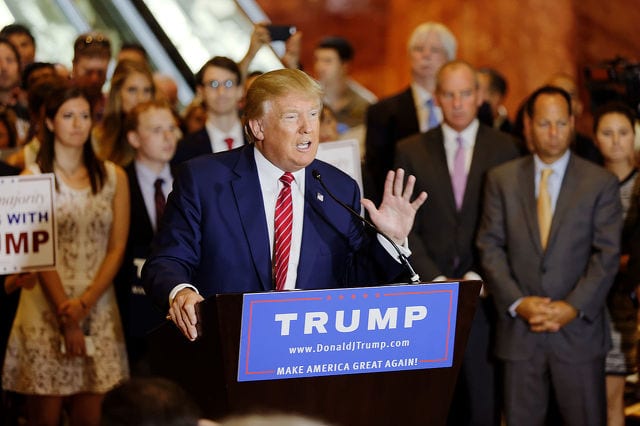
Pennsylvanians will head to the polls Tuesday to cast their votes in the 2016 primary elections. At the top of the ballot for both parties, of course, are the presidential nominations.
For Democrats, the race is down to former Secretary of State, U.S. Senator and First Lady Hillary Clinton and U.S. Senator Bernie Sanders. The sole presidential candidate to visit Centre County before the primaries, Sanders (38.7 percent) trails Clinton (52.7 percent) by 14 percentage points in the state in the current Real Clear Politics average of polling data. The margin ranges from an 8 point lead for Clinton in the most recent CBS News poll to a 27 point lead in the last Franklin & Marshall Poll.
Clinton has 1,941 delegates of the 2,383 needed for nomination. Pennsylvania has 210 Democratic delegates.
On the Republican side, businessman Donald Trump has an average 19.4 percent lead (45.8 percent) over U.S. Senator Ted Cruz (26.4 percent) and Ohio Governor John Kasich (23 percent).
Trump has 845 of the 1,237 needed for the Republican nomination. Cruz has 559 and Kasich has 148. Pennsylvania has 71 Republican delegates.
How the delegates are apportioned for the parties in Pennsylvania can be a byzantine process. On the Republican side, there are 71 delegates available. Seventeen delegates are obliged to vote for the state’s primary winners — these are 10 delegates the state automatically receives, three party leaders and four bonus delegates based on Republican representation from Pennsylvania in Congress and Republican majorities in the state legislature. But 54 are elected by Congressional district and not bound to any single candidate. The ballot does not state who the Republican delegates prefer. However, an email from Centre County Republican Party listed for whom each delegate candidate has said they would vote.
On the Democratic side, Politics PA explains that there are three types of delegates. There are 189 pledged delegates elected by voters. They appear on the ballot with the name of the candidate to whom they are pledged. The Commonwealth’s Democrats get 21 superdelegates, or unpledged delegates. These include 13 Democratic National Committee Members, Gov. Tom Wolf, Sen. Bob Casey, and the state’s five Democrats in the House of Representatives. Democrats get one more for a “distinguished party leader.” The third delegate category is bonus delegates. These are awarded to states that hold their primaries later in the year and at the same time as neighboring states. Pennsylvania gets 34 bonus delegates.
So who are the delegates voters can cast their ballots for in the State College Area? On the Democratic side, voters are instructed to vote for no more than three males and two females. Delegates pledged to Clinton on the ballot locally are William R. Van Saun, Nancy Chiswick, Ryan Valencia, Mike Hanna and Amber Concepcion. Delegates pledged to Sanders are Jared Deloof, Susan A. Demetrick, Matt Brigida, Dan Long and Joanne Tosti-Vasey.
On the Republican side, voters are instructed to vote for no more than three from among the following candidates. The presidential candidate each has said they will vote for is in parentheses. Joyce C. Haas (District primary winner), Scott Schreffler (District winner), Rick Chura (Ted Cruz), Lyle Stewart (Ted Cruz), Sheila Fitzgerald Sterrett (District winner), James Klein (Donald Trump), Ash Khare (District winner), Barry Kroeker (Ted Cruz) and C. Arnold McClure (District winner). Fitzgerald Sterrett, McClure and Justin Gallagher are also on the ballot as alternate delegates.
Polls are open from 7 a.m. to 8 p.m. on Tuesday.
More Local News
View all Local News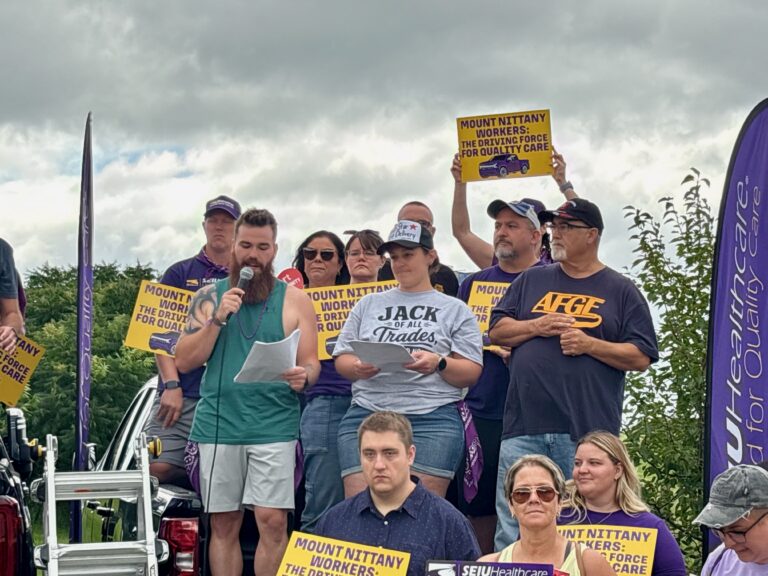
Joined by Labor Leaders and Rep. Ro Khanna, Mount Nittany Workers Criticize Loss of Health Benefits During Strike
Mount Nittany Medical Center workers gathered with labor leaders, community supporters and U.S. Rep. Ro Khanna on Wednesday afternoon for a labor tailgate at the hospital’s picket line, marking the […]
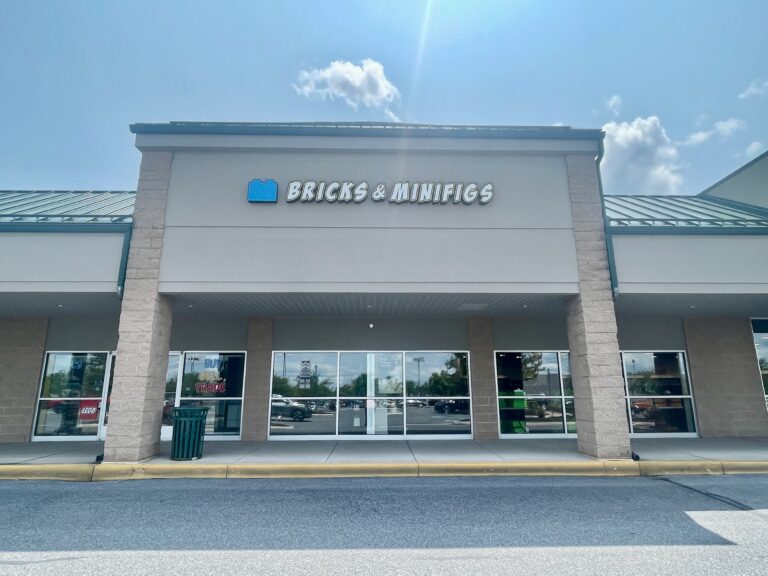
New State College Area Store to Offer All Things Lego
Lego enthusiasts will soon have a new State College area store where they can build their collections. Bricks & Minifigs Happy Valley, 317 Benner Pike in the Benner Pikes Shops […]

Centre Region COG Approves Growth Boundary Expansion for Penn State ARL Campus at Innovation Park
The Centre Region Council of Government General Forum on Monday approved a measure that will allow Penn State to pursue long-term plans for a unified campus for its Applied Research […]


