

Is it discrimination to prevent a university student from living somewhere specifically because they are a student?
Pennsylvania State Representative and licensed real estate broker Susan Helm (R–Dauphin County) thinks so. That’s why she’s proposed a bill that would prevent local governments from using zoning and regulations to limit where students can live.
“We just don’t think you should be able to prohibit a student from living somewhere that’s feasible for them to live,” Helm says. “The goal is basically to end the possibility of discrimination against students who are in need of a place to live while attending college.”
The proposed legislation, known as House Bill 809, would prevent local governments from enacting ordinances that limit housing options based on enrollment in college, and from enacting ordinances that limit the number of unrelated people living in a home.
The State College Borough uses both of these tools to differentiate between student housing areas and residential neighborhoods– but borough manager Tom Fountaine says these measures aren’t intended to discriminate against anyone. Instead, he says they are vital tools to protect the long-term economic health of the borough and the character of residential neighborhoods.
Fountaine appeared before the local government committee of the Pennsylvania House of Representatives on Monday, where he talked about the impacts of the “studentification” of residential areas and urged state lawmakers to reject the bill.
“As expected, with the decline in families in State College and the increase in students, the per capita income for State College has not kept pace with the per capita income in the neighboring townships,” Fountaine said, according to a transcript of his remarks provided by the borough.
“…The relative decline in per capita income is also reflected in tax collections. There has been virtually no growth in the real estate or earned income taxes in State College in the past ten years.”
Fountaine went on to explain that student housing regulations (when used in combinations with other initiatives to encourage owner-occupied housing) are a major tool for growing the borough’s tax base, which in turn reduces the need for higher tax rates.
Fountaine also said the student housing regulations are also used to prevent the “out-migration” of families from residential neighborhoods, which is often motivated by “significant conflict between students and non-student residents living in these neighborhoods.”
This conflict includes high rates of crimes such as noise violations, vandalism, public drunkenness and trespassing. Fountaine stressed that both Penn State and its students are vitally important to State College, but said it is impossible to ignore the fact that about 60 percent of all crime in the borough involve students.
“House Bill 809, if adopted, would significantly reduce and restrict local municipal authority to address these serious issues that are unique to our college towns,” Fountaine said. “The further erosion of the quality of life in our neighborhoods and the economic impacts on our ability to provide local government services would result.”
Helm says Monday’s hearing was very insightful, but she stands by her stance that preventing students from living somewhere based on their college enrollment amounts to discrimination. She says that other real estate professionals have expressed similar concerns to her while she was drafting the legislation.
Helm also takes issue with the crime rate argument, saying it’s unfair to associate all college students with crimes committed by a minority of students. She also wonders if the crime rate among students is a self-fulfilling prophecy: if you locate most students in student-only housing, aren’t you contributing to the crime rate by putting students all in one place?
Helm remains optimistic the bill may pass through the legislature sometime this year, but says she’s open to further discussion and possible amendments.
“There’s still a lot of work to be done,” Helm says.
More Community & Entertainment
View all Community & Entertainment
January Is a Call to Action to Respond to Stalking
This column by Centre Safe Executive Director Jennifer Pencek originally appeared in The Centre County Gazette. When we talk about acts of interpersonal violence, oftentimes people will focus on sexual […]

Busy Weekend of Fall Festivals and More on Tap Around Centre County
The weekend of Sept. 29-Oct. 1 is packed with activities around Centre County, including fall festivals, Oktoberfests, fairs, concerts and more. Check out some of the weekend highlights below. For […]
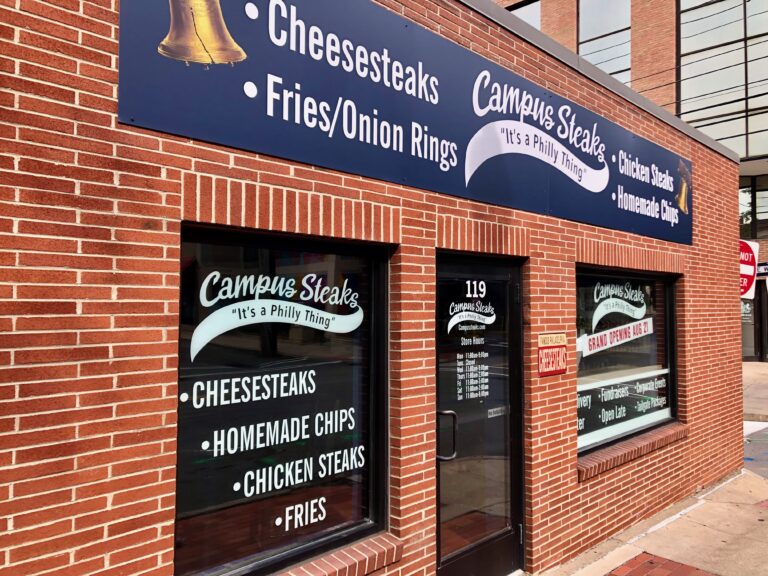
Downtown State College Cheesesteak Shop Sets Opening Date
A new cheesesteak shop that promises a taste of Philly in downtown State College has set an opening date. Campus Steaks plans to hold a grand opening on Aug. 28 […]


